



Creating better sleep is not only about having a comfortable bed or a quiet bedroom. Your sleep environment — including the light around you — plays an important role in helping your body transition from a busy day into a peaceful night.
Many people already use relaxing sounds or bedtime routines to improve their sleep, but one important question is often overlooked:
What color light helps you sleep?
Different light colors can influence how relaxing your bedroom feels, how your evening routine develops, and how naturally your body prepares for rest.
In this guide, we'll explore the best light colors for sleep, which colors to avoid at night, and how sunrise-inspired lighting can help create healthier routines from bedtime to morning.
How Light Affects Sleep
Your body follows a natural internal clock called the circadian rhythm. This rhythm helps regulate your daily patterns, including when you feel awake and when your body begins preparing for sleep.
Light is one of the strongest environmental signals connected with this rhythm.
During the day, natural sunlight helps your body recognize that it is time to stay active. As evening approaches and light becomes softer and warmer, your environment naturally shifts toward relaxation.
However, modern lifestyles often expose us to artificial lighting late into the evening.
Common sources include:
- Smartphones
- Computers
- Bright LED lights
- Bedroom lighting
The brightness and color temperature of these lights can affect how comfortable and relaxing your nighttime environment feels.
Choosing sleep-friendly lighting is a simple way to create a bedroom atmosphere designed for rest.
2700K vs 3000K: Understanding Warm Light
Color temperature is measured in kelvins (K). A 2700K bulb usually appears warmer and more golden, while a 3000K bulb looks slightly whiter but still belongs to the warm-light range.
For a bedside lamp, 2700K can create a softer evening atmosphere. A 3000K light may suit readers who prefer a little more clarity while keeping the room warmer in appearance than daylight-style lighting. Brightness and placement matter too, so use the lowest comfortable setting and avoid directing the light toward your eyes.
Best Colors for Bedtime
So, what is the best light color for sleep?
Generally, softer and warmer colors are preferred for creating a relaxing nighttime atmosphere.
Unlike bright daylight-style lighting, warm colors create a calmer environment that feels closer to sunset.
Here are some popular bedroom light colors for evening routines.
Red Light
Red light is often considered one of the most sleep-friendly colors because of its warm and gentle appearance.
Compared with bright white or blue-toned lighting, soft red light creates a more relaxing atmosphere.
Red light works well for:
- Relaxing before bedtime
- Creating a cozy bedroom mood
- Nighttime reading
- Building a calming evening routine
For people who want their bedroom to feel warmer and less stimulating at night, red tones can be a great choice.
Amber and Warm Orange Light
Amber and warm orange lighting are inspired by the natural colors of sunset.
As the sun goes down, natural outdoor light becomes warmer and softer. Bringing similar tones into your bedroom can help create a smoother transition from daytime activity to nighttime relaxation.
Warm lighting can make your space feel:
- Comfortable
- Peaceful
- Cozy
- More suitable for rest
This is why many modern sleep devices use sunset-inspired lighting instead of harsh brightness.
Soft Yellow Light
Soft yellow lighting is another popular option for bedrooms.
It provides enough visibility while maintaining a gentle and comfortable atmosphere.
Compared with bright white lights, warm yellow tones can make your bedroom feel more relaxing and inviting.
What Colors Should You Avoid Before Sleep?
While warm colors are usually preferred in the evening, some light colors are better suited for daytime activities.
Blue Light
Blue light is commonly produced by:
- Phones
- Tablets
- Computer screens
- Bright electronic displays
Because blue-toned light resembles daylight, heavy exposure before bed may make it harder to create a relaxing nighttime environment.
Reducing bright screen exposure and switching to warmer lighting in the evening can support a healthier bedtime routine.
Bright White Light
Bright white lighting is helpful during the day when you need focus and energy.
However, strong white lights can feel too intense before bedtime.
For bedrooms, softer warm lighting usually creates a more comfortable sleep atmosphere.
How Sunrise Light Supports Better Mornings
Better sleep is not only about how you fall asleep.
How you wake up matters too.
Traditional alarm clocks rely on sudden sounds that interrupt your rest and force your body awake.
Sunrise alarm clocks create a different experience.
Inspired by natural sunrise, they gradually increase brightness before your wake-up time, helping your bedroom transition slowly from darkness to light.
Instead of waking suddenly, sunrise lighting creates a gentler morning environment that feels closer to nature.
A thoughtful sunrise routine can help your mornings feel:
- Calmer
- More natural
- Less stressful
- More refreshing
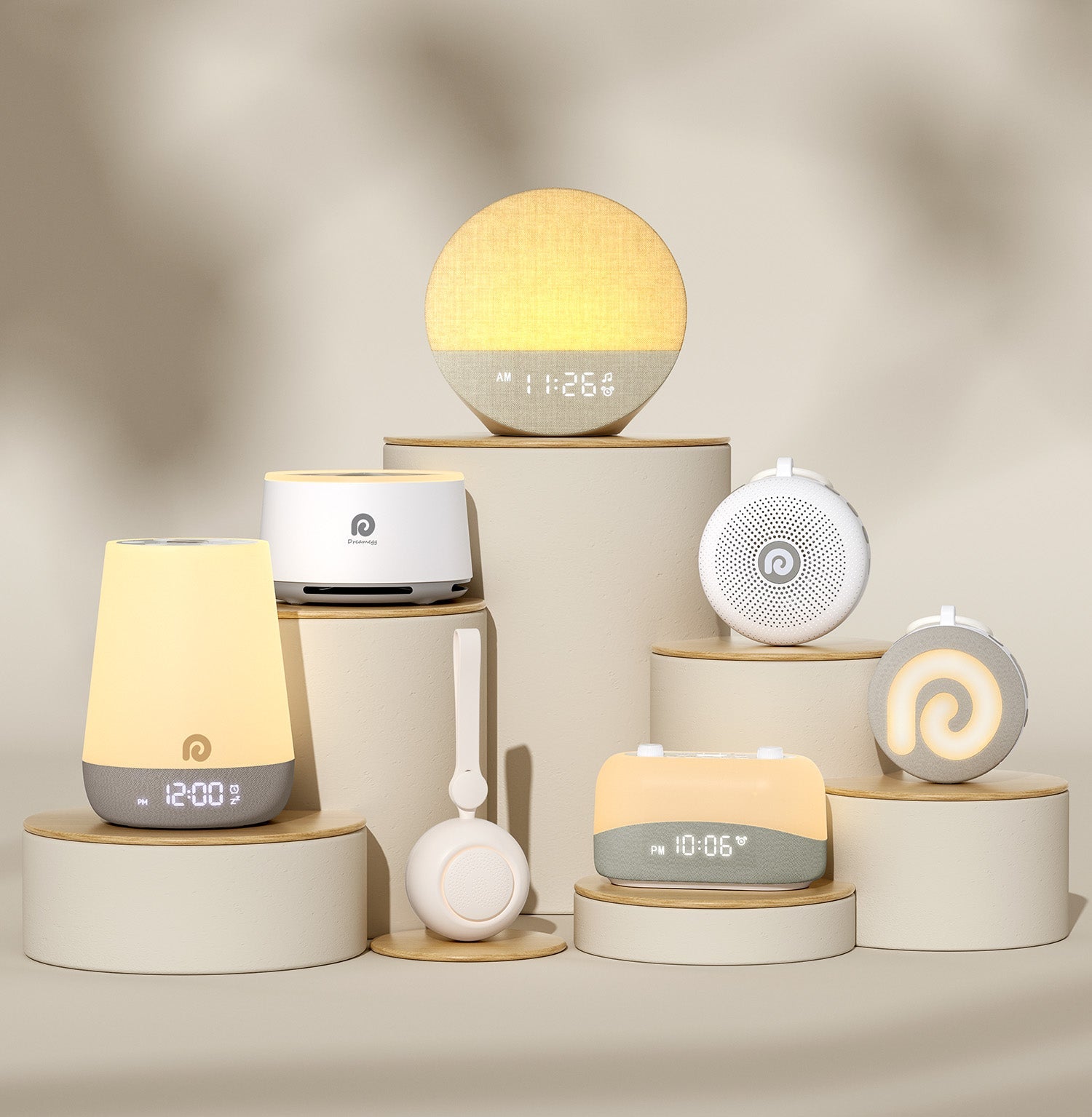
Recommended Dreamegg Sunrise Art Alarm Clock
Creating a better sleep routine starts with creating the right environment.
Dreamegg Sunrise Art is designed to bring natural light, calming sounds, and modern bedroom aesthetics together in one complete sleep solution.
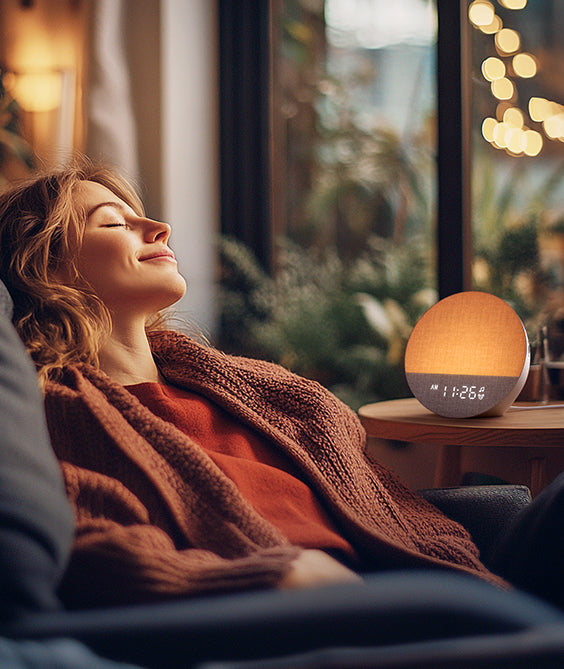
Unlike a traditional alarm clock, Sunrise Art becomes part of your daily rhythm — helping you relax in the evening and wake more naturally in the morning.
Inspired by sunrise, it gradually brightens with warm, gentle light to create a smoother transition from sleep to wakefulness.
Designed with a wood-inspired finish and artistic circular light design, Sunrise Art blends naturally into modern bedrooms as both a sleep companion and a piece of home decor.
Key features include:
- Gradual sunrise wake-up light
- Customizable light colors
- Relaxing sleep sounds
- Bedside atmosphere lighting
- Elegant home-inspired design
From peaceful nights to brighter mornings, Dreamegg Sunrise Art helps transform your bedroom into a space designed for better rest.
👉 Explore Dreamegg Sunrise Art Alarm Clock
How to Create a Better Sleep Environment
Lighting is only one part of building healthier sleep habits.
A complete sleep routine combines:
- Comfortable bedroom lighting
- Relaxing sounds
- Consistent bedtime habits
- A peaceful bedroom atmosphere
Pairing warm lighting with a white noise machine or sound machine can help create a calming environment where your mind and body know it is time to slow down.
Dreamegg designs complete sleep solutions that support every part of your routine — from relaxing before bed to waking up ready for a new day.
FAQ
What color light helps you sleep better?
Warm colors such as red, amber, and soft orange are commonly preferred for bedtime because they create a softer and more relaxing bedroom environment compared with bright white or blue-toned lighting.
What is the best light color for sleep?
The best light color for sleep is usually a warm, gentle color similar to sunset lighting. Red, amber, and warm orange tones are popular choices for creating a calming nighttime atmosphere.
Should I avoid blue light before bed?
Reducing blue light exposure from phones, computers, and bright screens before bedtime can help create a more relaxing evening routine.
Are sunrise alarm clocks better than regular alarms?
A sunrise alarm clock gradually increases light brightness before your wake-up time, creating a gentler transition from sleep to morning compared with sudden traditional alarms.
Final Thoughts: Better Light for Better Sleep
Small changes to your bedroom environment can make your daily routine feel completely different.
Choosing warmer light colors at night, reducing harsh lighting, and creating a consistent bedtime routine can help your bedroom become a calmer place for rest.
With thoughtfully designed lighting, soothing sounds, and modern sleep technology, Dreamegg Sunrise Art helps create better nights and brighter mornings — one routine at a time.
👉 Discover more Dreamegg bedside sleep solutions designed to create a calming nighttime atmosphere, support better rest, and bring brighter mornings to your everyday routine.
Share:
How to Create a Sleep-Friendly Bedroom: 7 Simple Changes for Better Rest
Portable White Noise Machine for Travel: How to Sleep Anywhere