


Nighttime noise is frustrating because it can feel outside your control. Traffic changes, doors close, neighbors move around, and household sounds appear without warning. A sound machine may make the environment feel more consistent, but a device is not the whole routine.
This guide starts with the noise source, then organizes practical bedroom changes, evening preparation, and repeatable habits. The goal is a calmer, easier-to-manage routine—not a promise of perfect or uninterrupted sleep.
Start by Identifying the Nighttime Noise
For several evenings, note what you hear, when it occurs, and whether it is steady or intermittent. Different problems call for different responses.
| Noise pattern | Examples | Practical first step |
|---|---|---|
| Steady | Ventilation, distant traffic, appliances | Adjust the source or decide whether quiet is already comfortable |
| Intermittent | Doors, voices, elevators, passing vehicles | Reduce gaps and consider a consistent background sound |
| Inside the room | Phone alerts, rattling objects, loud clock | Remove, silence, stabilize, or reposition the source |
| Schedule-related | Different household bedtimes or early departures | Plan shared quiet periods and prepare items outside the bedroom |
Step 1: Reduce Noise at the Source
Before adding sound, check what can be changed directly. Silence notifications, stabilize vibrating objects, close doors gently, move loud chargers or clocks, and ask household members to prepare bags or clothes outside the bedroom.
Soft furnishings, door seals, and moving the bed away from a shared wall may help in some rooms. If the problem belongs to a building or appliance, use the appropriate maintenance or property-management channel.
Step 2: Make the Bedroom Consistent
Noise is only one part of the room. Prepare lighting, temperature, bedding, and essential items before bedtime so you are not adjusting the environment repeatedly.
Our complete guide to creating a sleep-friendly bedroom provides a seven-step room checklist.
If you prefer an integrated bedside setup, browse Dreamegg bedside sleep solutions.
Step 3: Decide Whether Background Sound Fits
Some people prefer quiet. Others find that a steady sound makes intermittent changes in the room less noticeable. Treat background sound as an optional environmental tool, not the only answer.
Begin at a comfortable low volume and place the device on a stable surface according to its instructions. Test different sounds during a normal evening rather than making many adjustments after lights out.
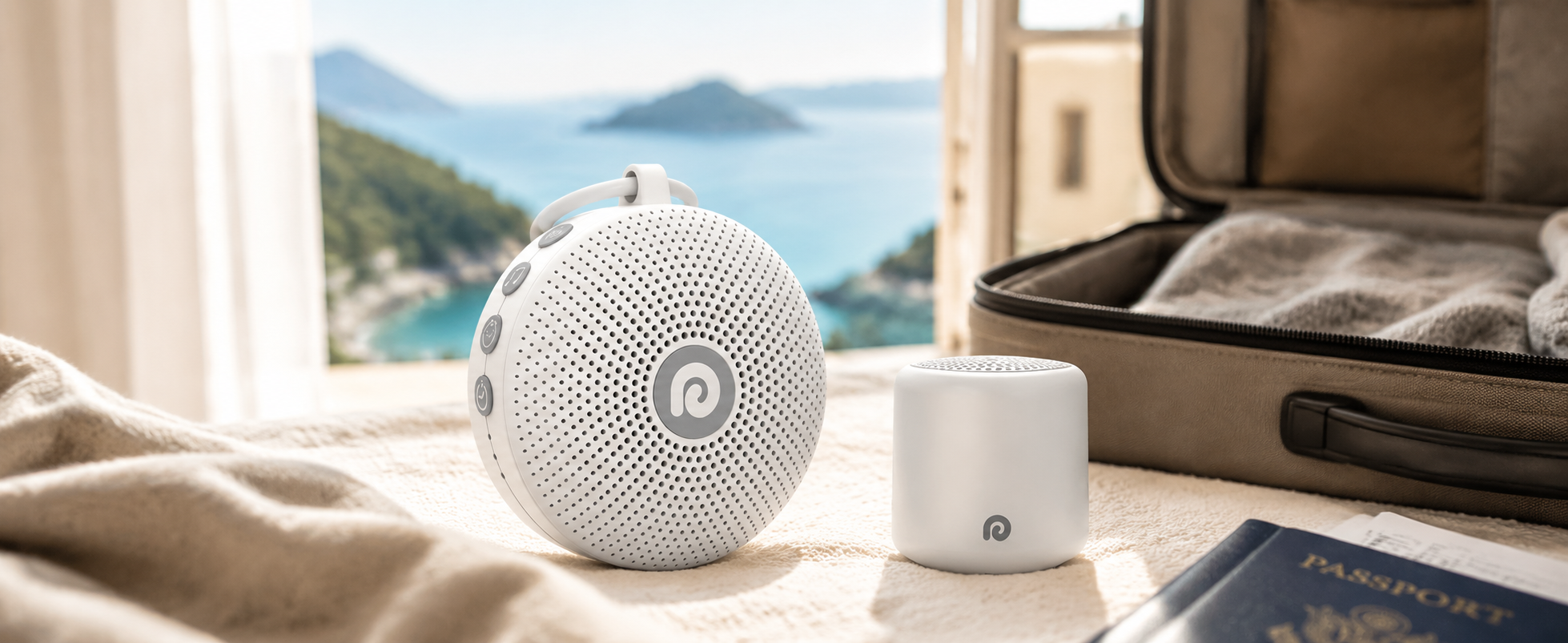
The Classic D1 sound machine is one home-focused option for comparing steady sound choices.
Step 4: Use a 15-Minute Bedroom Reset
A short reset can remove many avoidable interruptions. Adapt this checklist to your home:
- Minutes 1–3: clear the walking path and nightstand.
- Minutes 4–6: silence alerts and place tomorrow’s essentials outside the room.
- Minutes 7–9: close curtains and adjust lighting.
- Minutes 10–12: prepare bedding, water, and any routine items.
- Minutes 13–15: choose quiet or a preferred background sound and stop changing settings.
Step 5: Build an Evening Routine That Works on Busy Days
Choose a few actions you can repeat in the same order. For example: prepare the room, dim the light, read briefly, then select quiet or sound. A short routine is more sustainable than one that only works when you have extra time.
Separate habits from guarantees. Reading, stretching, journaling, or calm audio may feel helpful, but no single activity needs to work for everyone.
Step 6: Keep Food, Drinks, and Work Out of the Last-Minute Rush
Plan late meals, caffeine, alcohol, and work according to your own needs and qualified guidance. Avoid making rigid medical claims or universal timing rules.
From an organizational perspective, the useful principle is simple: finish stimulating or decision-heavy tasks early enough that bedtime does not become another deadline.
Step 7: Create a Consistent Morning Reset
A nighttime routine is easier to repeat when the room is reset in the morning. Open curtains, charge devices if needed, put books and accessories back, and note any sound that should be fixed at its source.
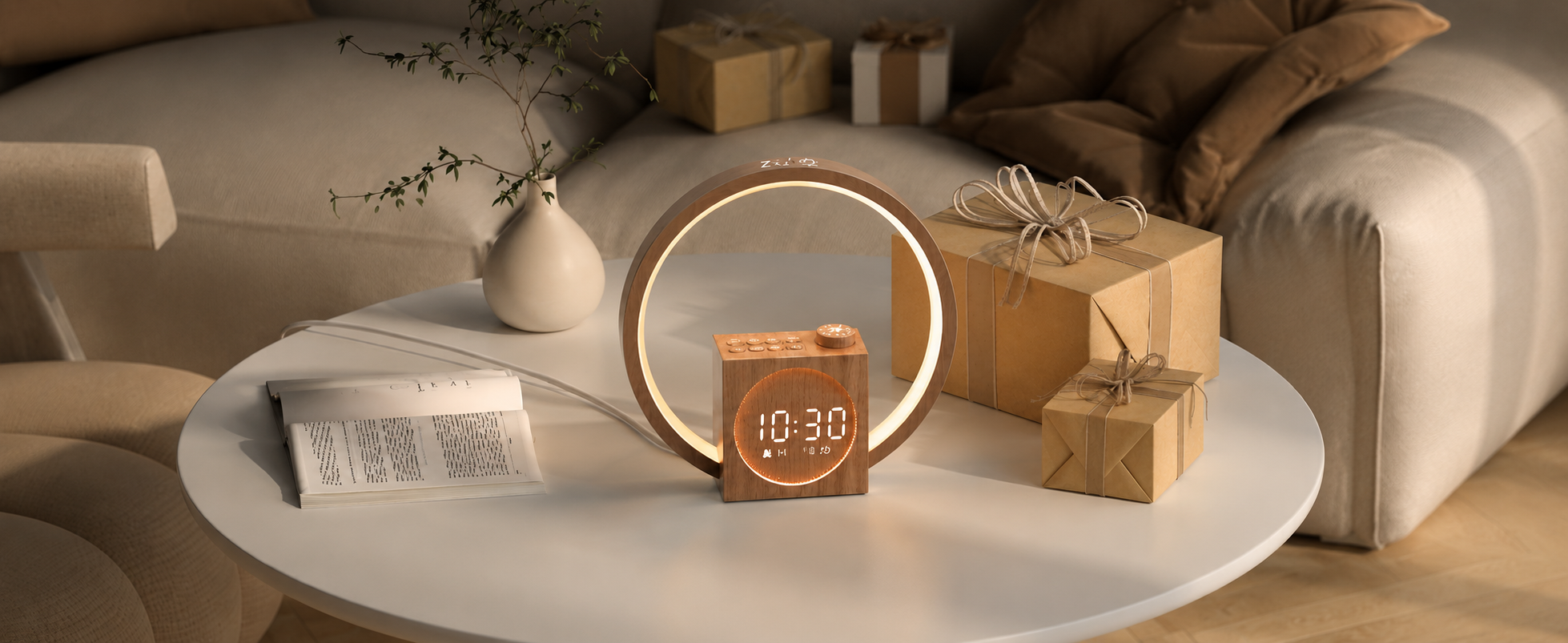
If a light-based wake routine suits your preferences, the Sunrise 1 sleep and wake clock combines adjustable light, sound, and alarm functions. Review its current specifications before choosing.
When the Routine Changes
Shared bedroom
Agree on lighting, sound, alarms, and preparation steps. Headphones or personal audio may not be suitable for every overnight situation, so use equipment as directed.
Shifted schedule
Prepare the room around the actual sleep window and reduce avoidable household interruptions. For foundational timing concepts, read our guide to circadian rhythm and sleep stages.
Travel
Pack the smallest version of the routine and repeat a few familiar cues. See how to sleep better while traveling for hotel, plane, and packing tips.
Frequently Asked Questions
Can a sound machine replace good sleep habits?
No. It is an optional part of the environment. Room preparation, a manageable routine, and addressing controllable noise sources remain important.
Should I use white, pink, or brown noise?
Choose according to listening preference and room conditions. Compare the sound colors on the same device at a comfortable volume.
What if the noise cannot be controlled?
Reduce what you can, communicate through the appropriate household or property channel, and consider whether a consistent background helps. Persistent sleep concerns should be discussed with a qualified professional.
How long should a bedtime routine be?
Long enough to be useful and short enough to repeat. A reliable 10–15 minute reset may be more practical than a complicated schedule.
Build the Routine Around Real Life
Better nighttime habits are not about buying the most devices or following a perfect checklist. Identify the noise, remove avoidable sources, prepare the room, and repeat a small set of actions.
If a sound or light product solves a specific need, let it support the routine rather than become the routine.
Share:
How to Sleep Better While Traveling: Hotel, Plane & Jet Lag Tips
Father’s Day Sleep Gifts: Sound Machines and Bedside Ideas for Dad