

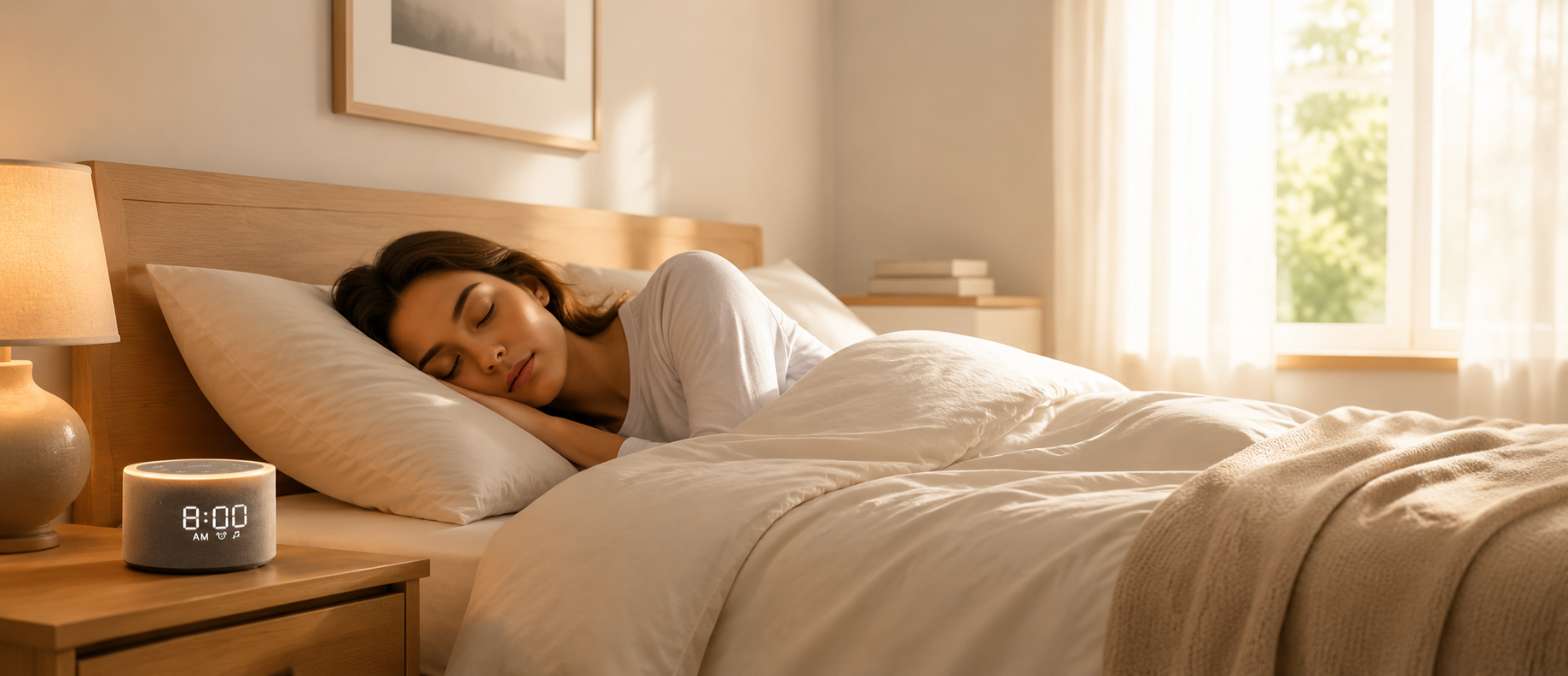
Sleep timing and sleep stages are related, but they describe different parts of the night. Circadian rhythm helps organize the daily pattern of wakefulness and sleepiness, while sleep stages describe how sleep changes after you fall asleep.
This simple guide explains the basic terms, common environmental cues, and practical routine ideas without diagnosing sleep problems or promising specific health outcomes.
What Is Circadian Rhythm?
Circadian rhythm is the roughly 24-hour pattern that helps coordinate many daily processes, including when you tend to feel alert or sleepy. It is influenced by internal timing and external cues such as light, darkness, meals, activity, and routine.
Your schedule does not need to look identical to someone else’s. Work, caregiving, travel, season, and individual preference can all affect the way a daily routine is organized.
Light and Daily Timing
Light is an important environmental time cue. Bright daytime light and a darker evening environment help distinguish different parts of the day, while irregular light exposure can make the routine feel less clear.
This does not mean one lamp color or device can “fix” a circadian rhythm. Lighting is one part of the environment. For a practical comparison of warm, amber, blue, and other bedroom lighting, read what color light helps you sleep.
What Is Sleep Pressure?
Sleep pressure is a simple way to describe the tendency to become sleepier after being awake for longer. It works alongside circadian timing, which means “how long you have been awake” and “what time your body expects sleep” are not exactly the same question.
Caffeine, naps, travel, shift work, and changing schedules can affect how these two patterns feel, but individual responses vary. Persistent concerns belong with a qualified healthcare professional.
The Main Sleep Stages
Sleep is commonly described as non-REM sleep followed by REM sleep. These stages repeat in cycles, and the amount of time spent in each stage changes across the night.
Stage N1: Transition into sleep
N1 is a light transitional stage between wakefulness and sleep. It is generally brief, and a person may still respond easily to surrounding activity.
Stage N2: Light sleep
N2 typically makes up a substantial part of the night. Awareness of the immediate environment decreases as sleep becomes more established.
Stage N3: Deep non-REM sleep
N3 is often called deep or slow-wave sleep. It tends to be more prominent earlier in the night, although normal patterns differ by person and circumstance.
REM sleep
REM stands for rapid eye movement. Dreaming can occur in different stages, but vivid dreams are commonly associated with REM. REM periods often become longer later in the night.
How Sleep Cycles Change Through the Night
Sleep is not a straight line from light to deep and then awake. The stages cycle, and brief awakenings may occur without being remembered in the morning.
Consumer sleep trackers estimate stages using movement, heart rate, and other signals; they do not measure sleep in the same way as a clinical sleep study. Use tracker results as general observations rather than a diagnosis.
Common Routine Disruptions
- Travel: destination time, daylight, and activities may not match the home schedule.
- Shift work: the required sleep window may occur when the surrounding environment is bright or active.
- Weekend schedule changes: large differences in bedtime and wake time can make Monday routines feel abrupt.
- Late-night light and activity: the evening environment may continue to resemble daytime.
- Household schedules: shared rooms, caregiving, and different work hours can create inconsistent cues.
Practical Ways to Make Timing Cues Clearer
- Choose a wake time that fits your real obligations and aim for a repeatable routine.
- Use daytime light and normal daytime activity as environmental cues.
- Prepare a darker, quieter evening environment according to your preferences.
- Keep bedtime steps simple enough to repeat on busy days.
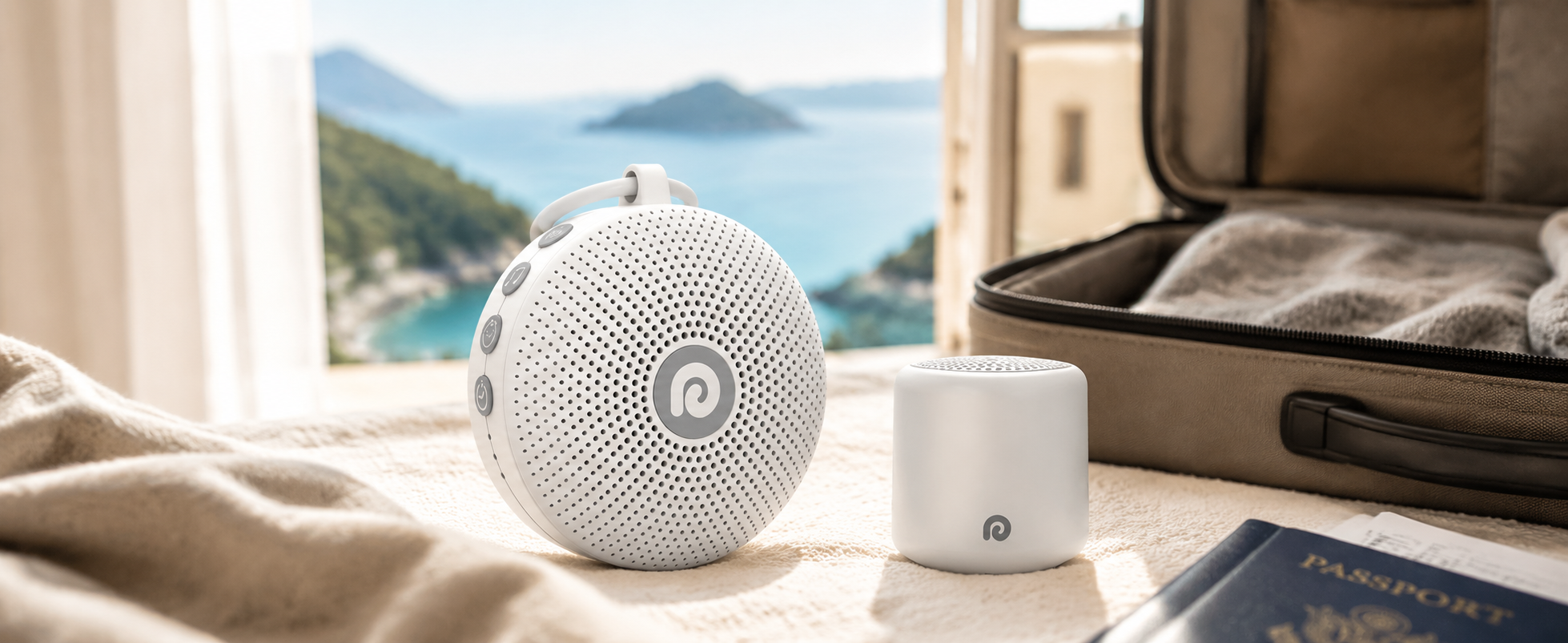
- When traveling, shift attention toward the destination schedule and adapt gradually when practical.
These are general organizational ideas, not treatment instructions. Anyone with persistent sleepiness, insomnia, breathing concerns, or another health issue should seek qualified care.
Sound and Light Products as Routine Tools
A product cannot control sleep stages or guarantee circadian alignment. It can, however, make chosen environmental cues easier to repeat.
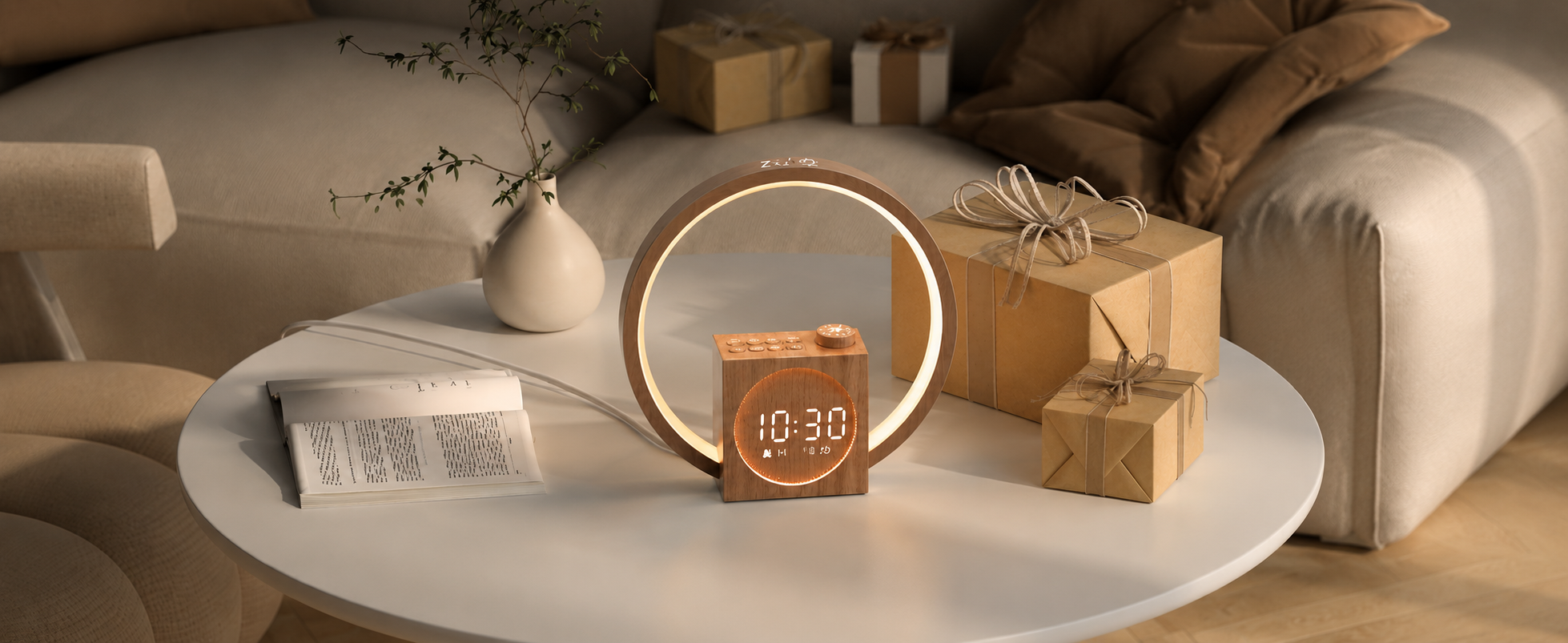
The Dreamegg Sunrise Series groups light-and-sound products designed for bedside routines. The unusual URL spelling shown here is the store’s current published handle and is intentionally unchanged.
The Sunrise 1 sleep and wake clock offers adjustable evening, sound, and alarm features for users who prefer one integrated device. Review the current product instructions and features to decide whether it fits your routine.
Frequently Asked Questions
Is circadian rhythm the same as a sleep schedule?
No. A schedule is the time you choose or need to sleep. Circadian rhythm is an internal daily timing pattern influenced by several cues and circumstances.
Is deep sleep always the most important stage?
Sleep includes multiple stages with different patterns across the night. It is not useful to treat one stage as the only stage that matters.
Can an alarm clock change sleep stages?
An alarm can provide a repeatable wake cue, but it does not guarantee changes to sleep architecture or health outcomes.
Should I trust a sleep tracker’s stage data?
Consumer devices provide estimates. Questions about symptoms or clinical sleep assessment should be discussed with a qualified professional.
A Simple Way to Think About Sleep Timing
Circadian rhythm helps organize when wakefulness and sleepiness tend to occur. Sleep pressure changes with time awake. Sleep stages describe the repeating structure of sleep after it begins.
A consistent environment can support a routine, but it should not be presented as medical treatment. Focus on clear cues, realistic habits, and qualified guidance when concerns persist.
Share:
White Noise vs Pink Noise vs Brown Noise: What’s the Difference?
How to Sleep Better While Traveling: Hotel, Plane & Jet Lag Tips